Still trawling the archives. I used to have a Buttondown newsletter. The following—a themed issue rather than the usual “what I read this week” format—is the only thing I’ve found worth saving from that era. Reading The Magic Mountain every morning over that winter of 2018-2019 remains as a happy memory.
Welcome, friends. You can only come across so many references to a novel before you decide you need to read it for yourself. That’s why I started reading The Magic Mountain by Thomas Mann.
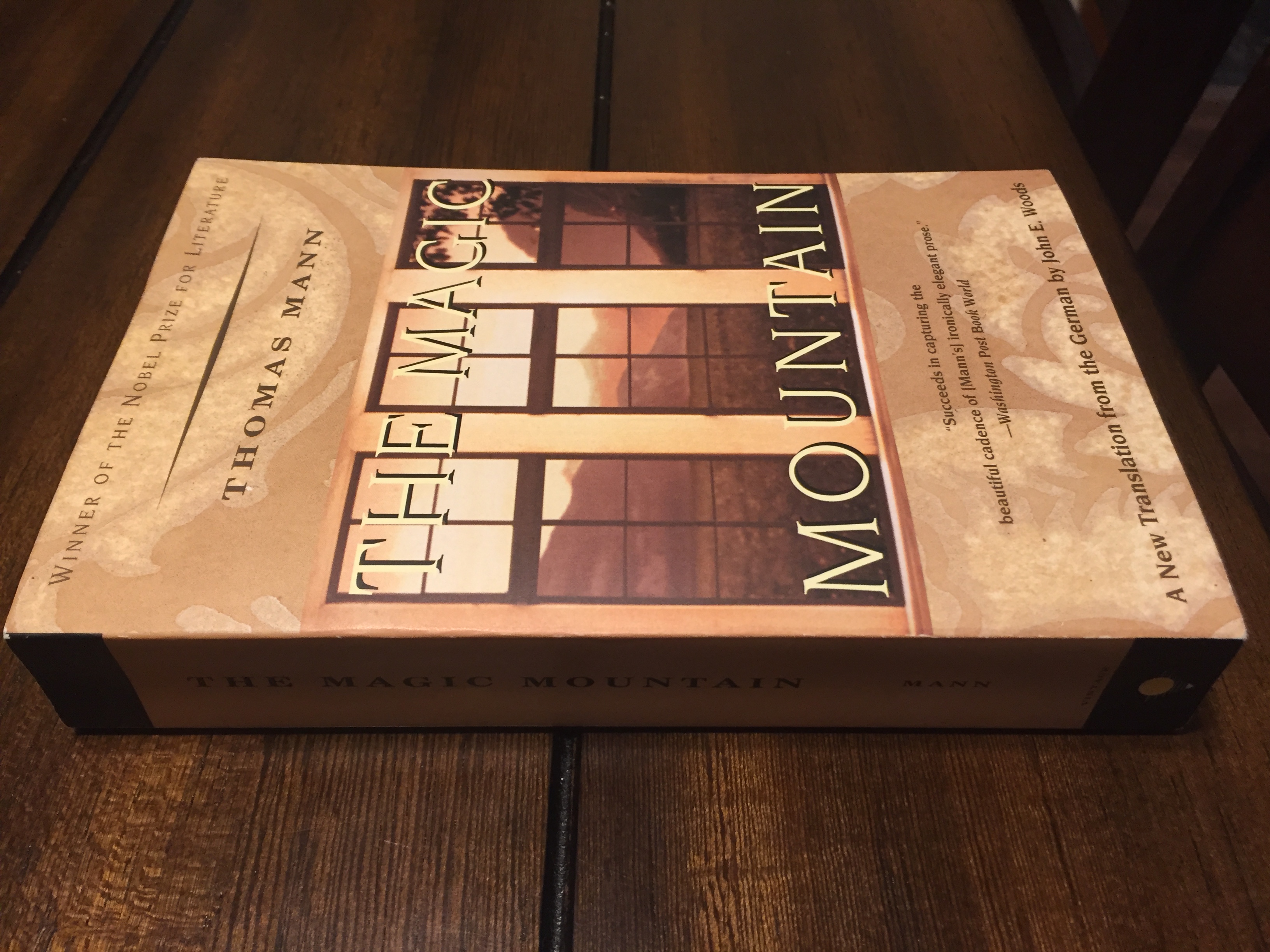
It’s the story of Hans Castorp, “an ordinary young man” who visits his cousin Joachim at the Berghof sanatorium in the Swiss Alps where residents are treated for tuberculosis. Although he plans to visit for only three weeks, Hans is eventually diagnosed with a “moist spot” - a sign of tuberculosis - and stays for seven years. The novel follows Hans' development as he falls in love with a mysterious Russian and befriends, in turn, a humanistic disciple of the Enlightenment, a reactionary Jesuit, and a Dionysian Dutchman. It ends with the outbreak of the First World War, when our hero leaves the Berghof for an uncertain fate.
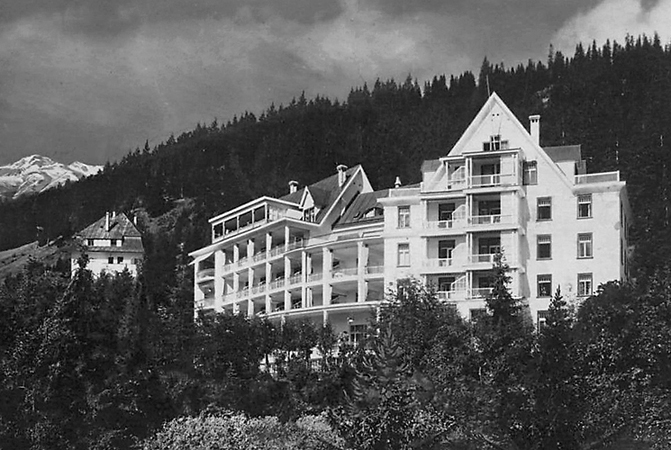
Image: The Wald Sanatorium in Davos (ca. 1920), where Mann took his wife to be treated and which inspired his novel.
Tuberculosis ravaged Europe in the age of Romanticism (a movement in reaction against the Enlightenment). That historical coincidence led to a blending of poetry with an idealization of disease, as in the poetry of John Keats. Hans Castorp brings to the sanitarium a “sympathy with death” which he absorbed from this milieu.

Image: Sketch of John Keats on his deathbed by Joseph Severn
Early in the novel, Hans Castorp is warned by Settembrini that while it is pleasant to experiment with ideas, it would be safer for Hans to patiently learn what Settembrini has to teach him. And he does learn from Settembrini, but while also learning from others and maintaining a critical distance from them all.
The Berghof sanitarium - the magic mountain - is a hermetic place, sealed off from the influence of the “flatlands” and yet a place of transformation. When we meet Hans, he is a chatty, bourgeois engineer. By the time we leave him, he has passed through seven years of individuation. He has watched his would-be teachers run up against the limits of their ideologies. He has experienced serious losses and entered into a “great stupor”. It is only war that draws him out of his lethargy and forces him out of the sanitarium.
C.S. Lewis said he would be happy “to be always convalescent from some small illness and always seated in a window that overlooked the sea, there to read these [Italian Renaissance] poems eight hours of each happy day”. But the world makes too many demands for that. Individuation is not neoliberal self-help aimed at creating better workers. It is a process of becoming who you are, experimenting with ideas, and experiencing losses. It is an alchemy, moreover, intended to situate you in the world of demands, to carry you down from the magic mountain and into the world of conflict.
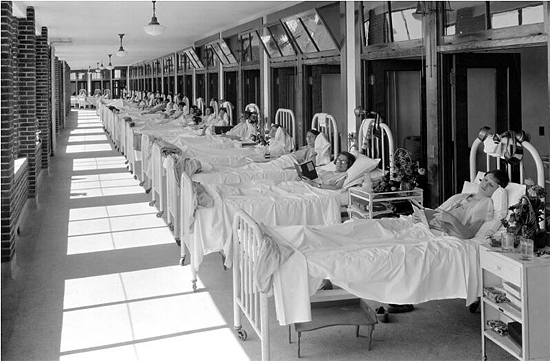
Image: Residents taking their “rest cure” at a sanatorium. It was believed that the high altitude and crisp air of the Alps contributed to the cure of tubercular residents.
Why The Magic Mountain has particular relevance for our time. Ignore the writer’s nonsense about the book being tedious. It is long though…