Some music from this evening:
Tolkien, Lord of the Rings:
“Bilbo used often to say there was only one Road; that it was like a great river: its springs were at every doorstep, and every path was its tributary. ‘It’s a dangerous business, Frodo, going out of your door,’ he used to say. ‘You step into the Road, and if you don’t keep your feet, there is no knowing where you might be swept off to.’”
“The first commercially-available CD (Billy Joel’s 52nd Street) was released forty years ago yesterday.” And today, by coincidence, I bought a CD for the first time in many, many years.
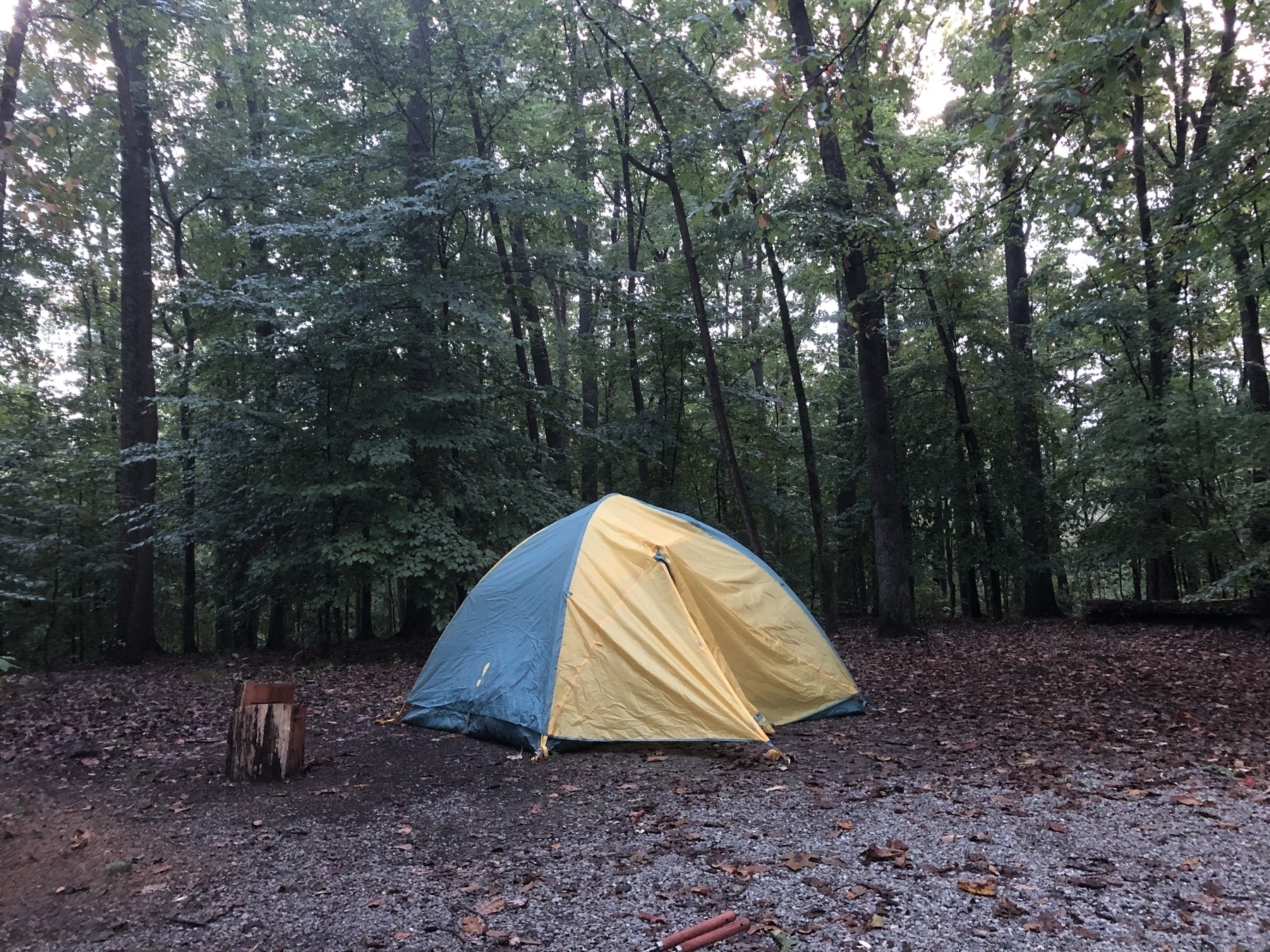
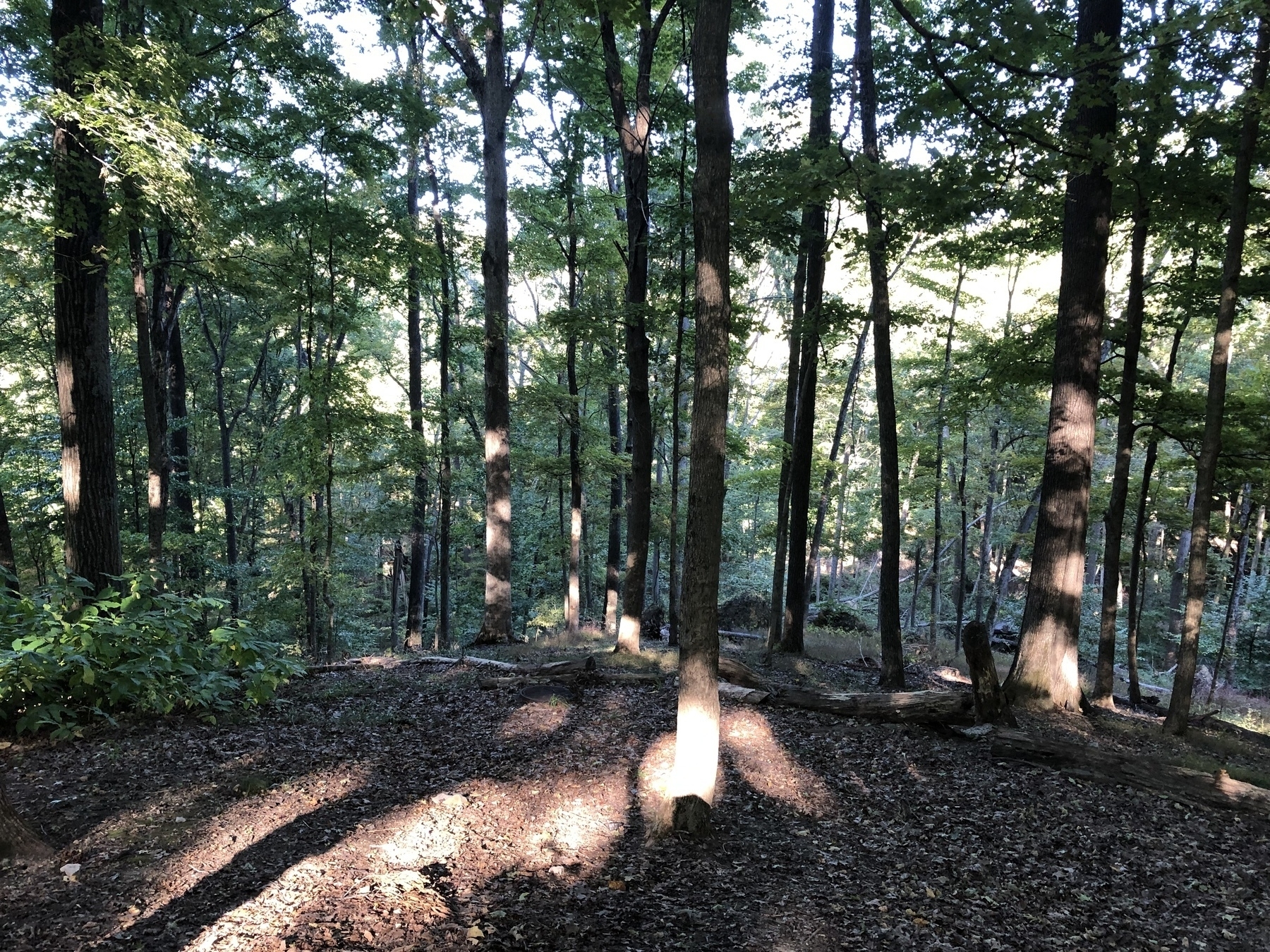
Camping at Hardin Ridge again, this time at a site with no electricity. So beautiful and quiet. We’ve been listening to an owl for the past two hours.
Choose reality
Alan Jacobs: I think we’re looking at not one but two futures — a fork in the road for humans in Technopoly. … A few will get frustrated by the fakery, minimize their time on the internet, and move back towards the real. They’ll be buying codex books, learning to throw pots or grow flowers, and meeting one another in person. The greater number will gradually be absorbed into some kind of Metaverse in which they really see Joe Biden transformed into Dark Brandon or hear Q whisper sweet nothings into their ears.
Wendell Berry, “Family Work”:
Children, no matter how nurtured at home, must be risked to the world. And parenthood is not an exact science, but a vexed privilege and a blessed trial, absolutely necessary, and not altogether possible.
Hypocritical asceticism
Jack Leahy makes a a defense of hypocritical asceticism. Basically, we have to start somewhere. Even small efforts have an effect. In the process of living out a hypocritical asceticism a funny thing happens–we are changed. … In practicing hypocritical asceticism I am carving out a little zone of freedom within myself. This is similar to what I said in this post, that a better goal than purity is the avoidance of servitude.
Monarch on (what we believe to be) Jerusalem artichoke. 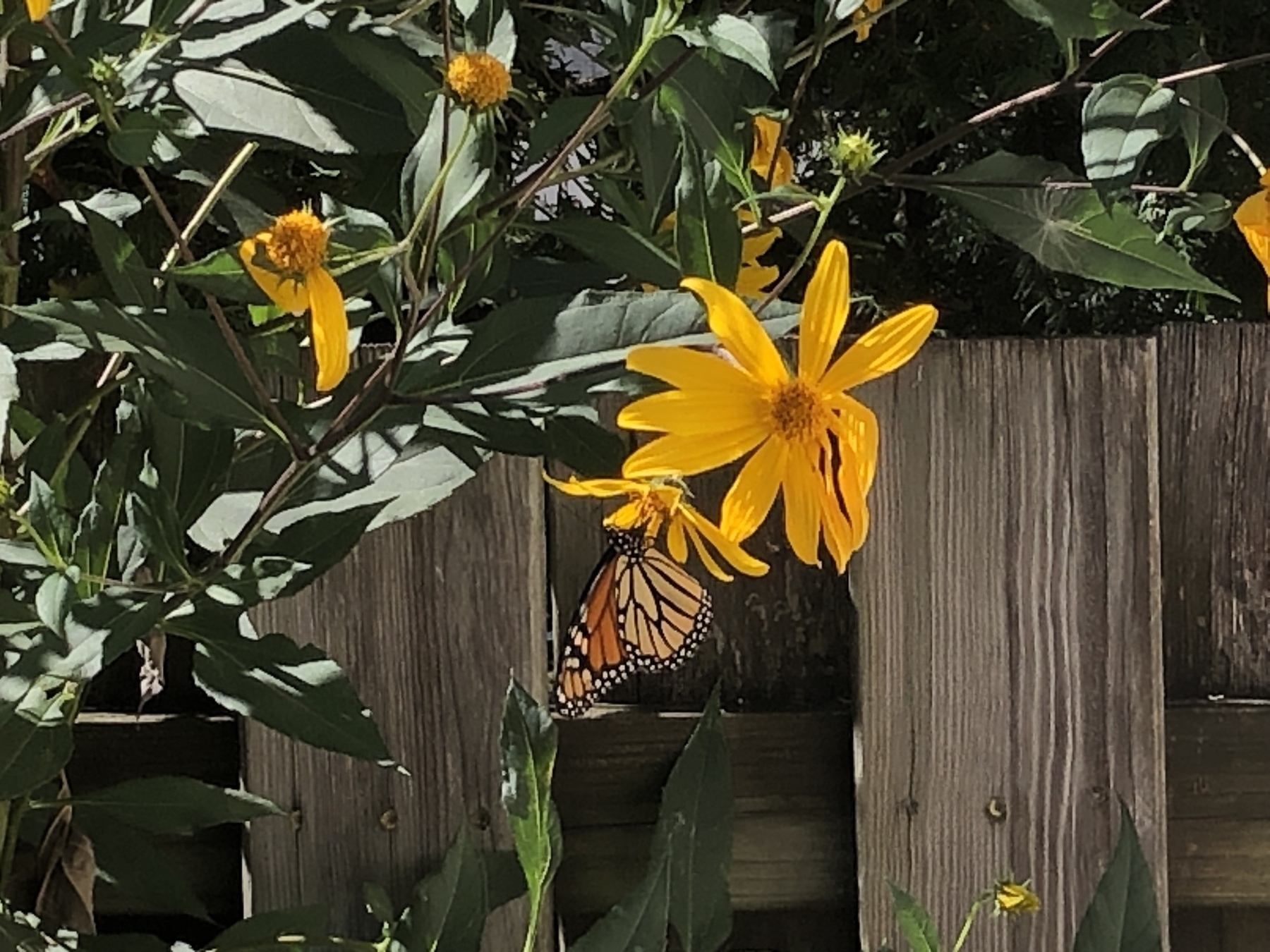
Expanding Green Man’s Grotto
We’ve started expanding Green Man’s Grotto. We emptied one of the old raised beds by transplanting some orange butterfly weed, hairy woodmint, and swamp milkweed partly into the existing GMG and partly into a new section. Next we’ll double the depth of that old raised bed and use it for a kitchen garden next year. Then we’ll transplant what remains in the other old raised bed into that expanded section of GMG and then double the depth of that raised bed for the other half of the kitchen garden.
A damp but thoroughly enjoyable morning at Hardin Ridge.