Clive Thompson says there is a biophilia paradox—and I could not disagree more.

The problem is that while we moderns desperately need exposure to nature, it sure doesn’t need exposure to us. … We humans should be living a little more densely, to give nature more space away from us.

It goes without saying that humanity is the single most destructive force on earth. Nevertheless, ideas like this only serve to reify the human-nature divide—the very divide that led us onto the path of destruction. Our current way of relating to the world is not the only way.

Our problem is that we are out of relationship with the world. This problem will only be exacerbated by further separating us from it. Thompson’s vision is a carceral environmentalism. We are not dangerous felons who must be isolated from the natural world. We are children of the same mother.
Jung, Memories, Dreams, Reflections:

Life has always seemed to me like a plant that lives on its rhizome. Its true life is invisible, hidden in the rhizome. The part that appears above ground lasts only a single summer. Then it withers away—an ephemeral apparition., When we think of the unending growth and decay of life and civilizations, we cannot escape the impression of absolute nullity. Yet I have never lost a sense of something that lives and endures underneath the eternal flux. What we see is the blossom, which passes. The rhizome remains.


Here’s the question that matters: what would you do if you believed the world around you was alive—alive every bit as much as you are?


This is cool: collage artist turns a corner store into an art experience. Things like this can only happen with local shops. Walmart and Dollar General will never do this.


Been playing with the bird sound identification feature of Merlin Bird ID this morning. We’re in town so we have a bit more limited variety of birds. It’s correctly identified the usual cast of characters:

  • European starlings
  • House sparrow
  • American robin
  • Chimney swift
  • Northern cardinal
  • Mourning dove
  • House finch

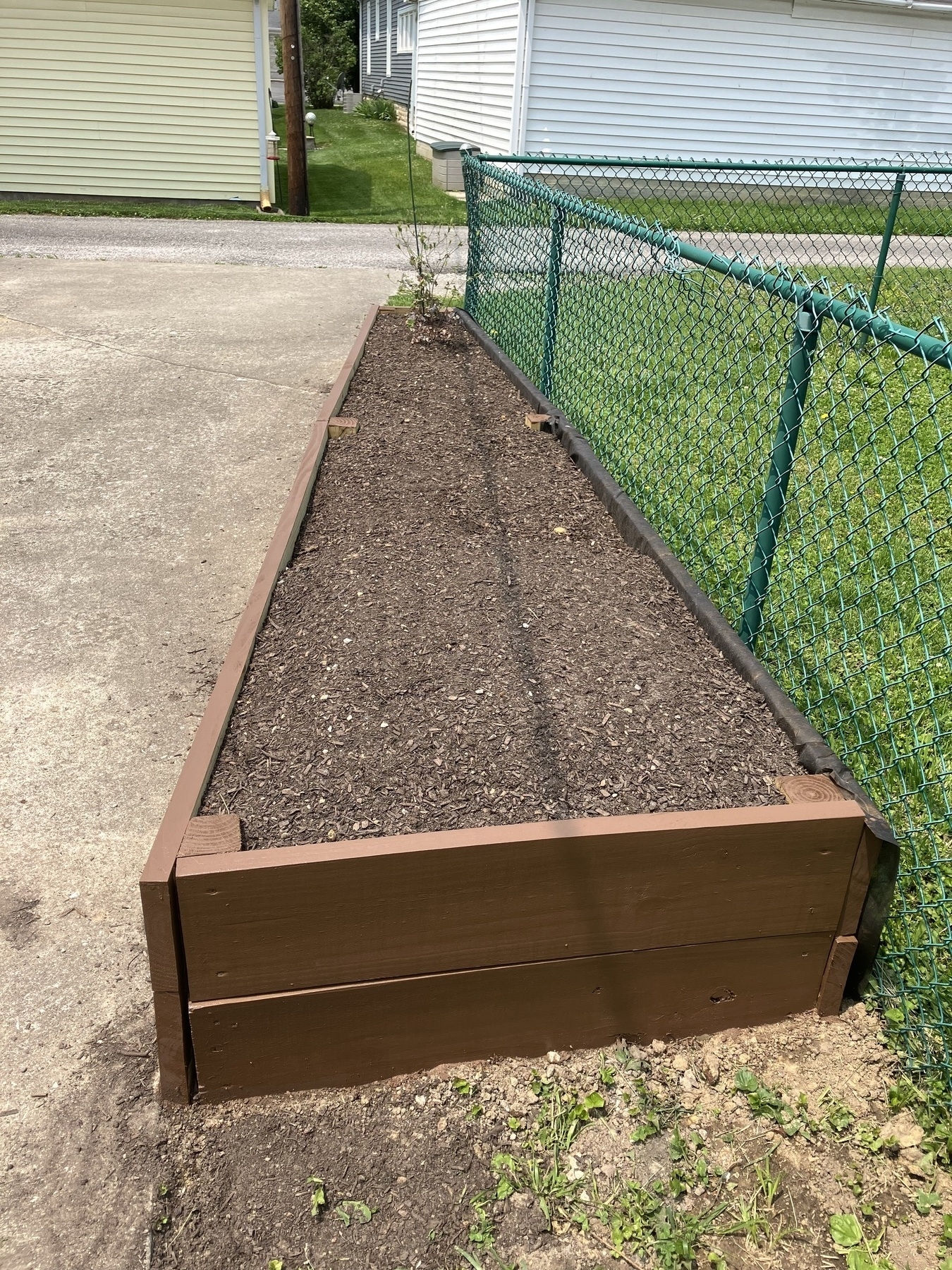
We built a new raised bed this week. That’s not a trick of perspective: it actually is much narrower at the far end. On this end is a mound (hard to see) for a three sisters planting. Past that is amaranth, then two columbine plants at the far end.


Parker Millsap

Sometimes I remember. Sometimes I feel the magic.

Amen, Parker.


If you’re still holding out hope that renewable energy is the future, you might want to read this.


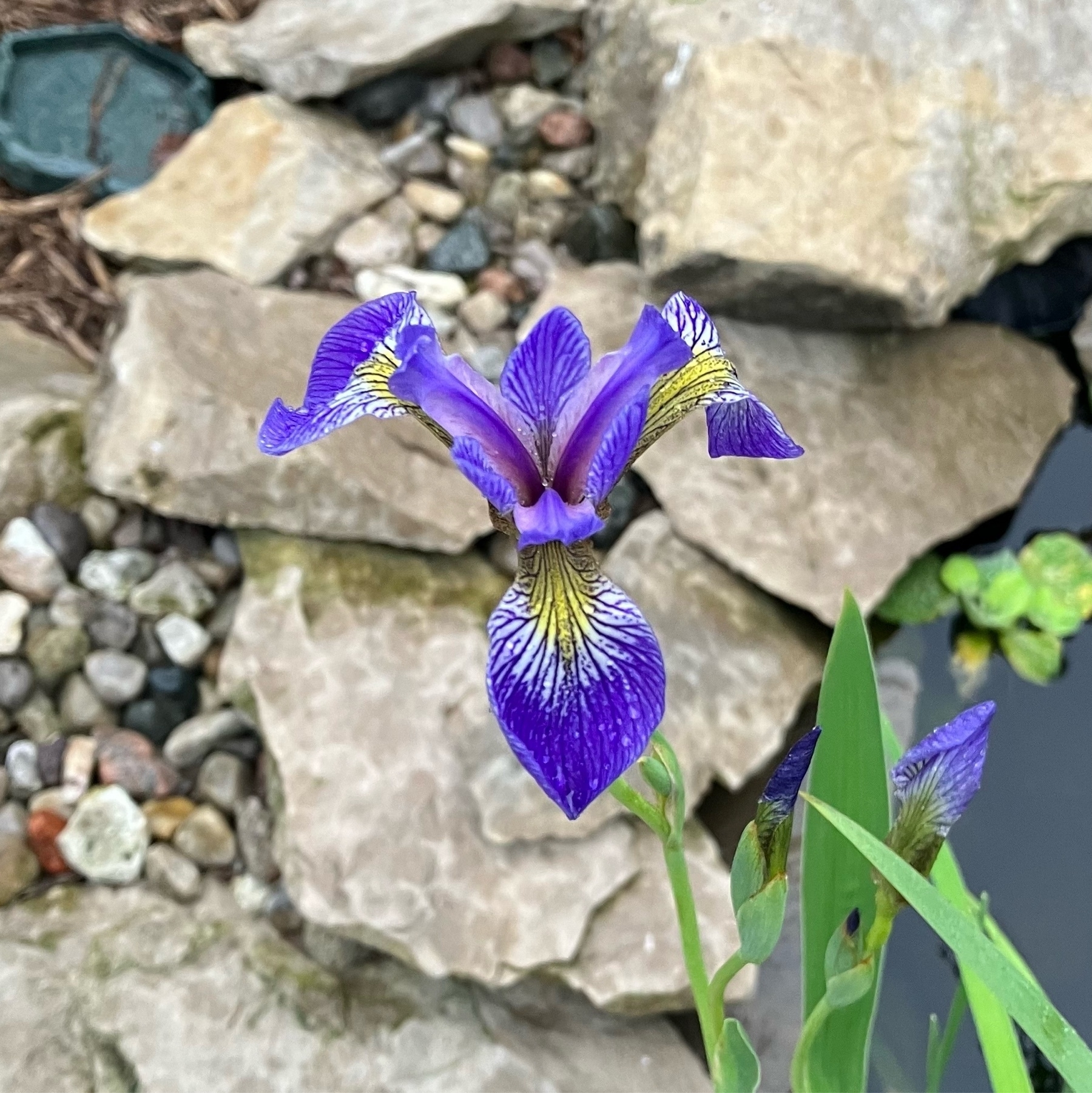
Blue flag iris in our wildlife pond says good morning.


So I’m a religion nerd from way back and one of my very favorite topics is the differences between Christian denominations. (It’s a neat party trick. In my mind. Others may disagree…) The Useful Charts channel has been doing an excellent series on the family tree of Christian denominations. The most recent episode is about the churches coming out of the Second Great Awakening, which are some of the most fascinating groups precisely because they were willing to throw traditional theology out the window and start from scratch. Next time he will take up the Holiness movement, the Third Great Awakening, and Pentecostalism—which is the tradition in which I grew up. So fun!