Another good thing today: it’s Wendell Berry’s 92nd birthday. Happy birthday, uncle Wendell!
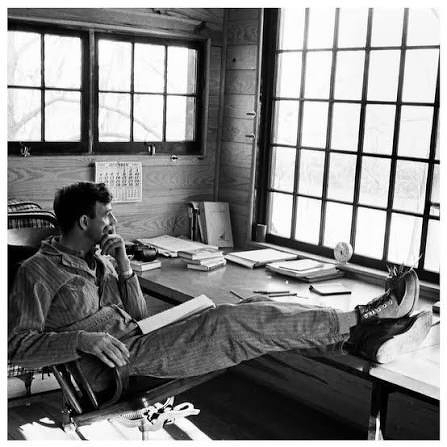
Another good thing today: it’s Wendell Berry’s 92nd birthday. Happy birthday, uncle Wendell!
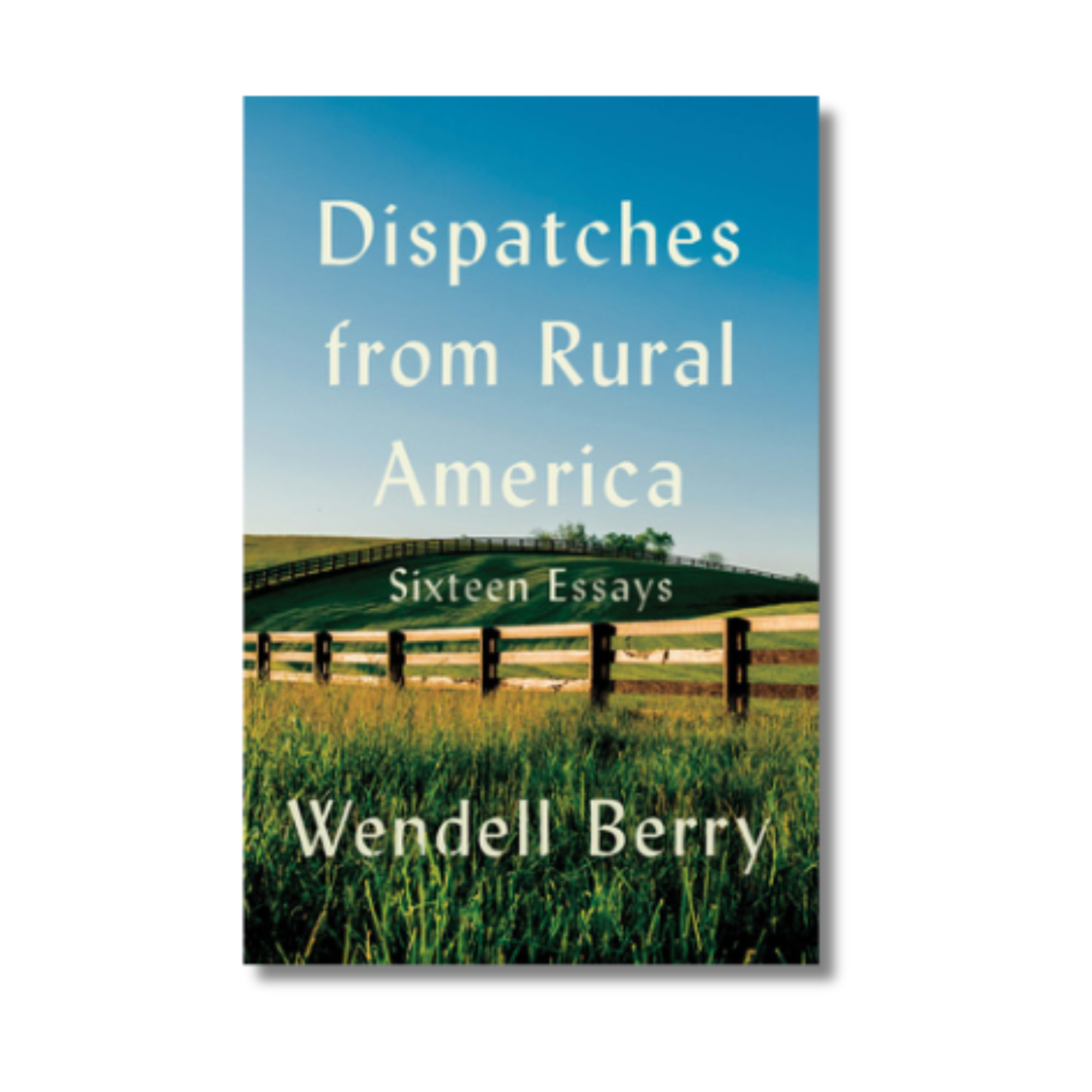
🚨 New Wendell Berry essay collection alert 🚨
From Wendell Berry, The Country of Marriage Horseback on Sunday morning, harvest over, we taste persimmon and wild grape, sharp sweet of summer’s end. In time’s maze over the fall fields, we name names that went west from here, names that rest on graves. We open a persimmon seed to find the tree that stands in promise, pale, in the seed’s marrow. Geese appear high over us, pass, and the sky closes.
Wendell Berry, “Two Economies”: Some time ago, in conversation with Wes Jackson in which we were laboring to define the causes of the modern ruination of farmland, we finally got around to the money economy. I said that an economy based on energy would be more benign because it would be more comprehensive. Wes would not agree. “An energy economy still wouldn’t be comprehensive enough.” “Well,” I said, “then what kind of economy would be comprehensive enough?
I decided over the weekend that I wanted more than a single Wendell Berry resources page on my personal blog. I’m working on a new site called BerryBlog. It’ll be very much a work in progress for a while. Also, micro.blog folks, I’m still trying to understand how this will work with the timeline.
Dear A—, You asked me why I love Wendell Berry’s fiction. There’s no accounting for taste, as you’ve heard, but here’s my attempt. First you should know what the man himself is about. Famously, he left behind a promising academic career to write and farm at his old home place. In the decades since he has become one of the leading lights of localism and agrarianism. His influence has been significant, touching everything from the literary world to family farms to the local food movement.
In one of his Just a Few Acres Farm videos, Pete was repairing a plow and mentioned the coulter. Being a Wendell Berry nerd, I recognized that as one of the surnames in Port William. That led me down a rabbit hole. Let’s be clear: the following is pure speculation based on internet research and could be wrong. Coulter A blade or disc set ahead of the plowshare that cuts into the soil, resulting in a neater furrrow.
I’m working on a Wendell Berry resources page. So far I have a list of his fiction in publication order plus a map and family tree. This will mainly just be for my own reference but let me know if you have suggested additions.
Wendell Berry, A Place on Earth:
Margaret has taken off her hat, and put on an apron over the clothes she wore to church. She looks around at Mat and smiles as he comes into the kitchen, and turns back to the stove. She is wearing her grey dress that so becomes her—a pretty woman. He takes that in. He comes into her presence as he would come into the pleasing shadow of a tree—drawn to her, comforted by her as he has been, usually, all his life.
I love portrayals of happy couples in long-term relationships; they’re rare enough, both the fictional and actual. So much fiction and film is taken up with young people in love and middle-aged people in hate.
The calm, steady knowing of long-term love—the gratitude of finding yourself in such a place—it’s a bones-deep feeling of home. I wish there was more of this in the world. I’m deeply grateful that I’m living it with Rachel.
One of the things I appreciate about Wendell Berry’s fiction is the quietness in it. It’s not comforting fiction (or cozy, as the marketers would have it) because there is real pain suffered by the characters. But that pain is endured rather than emoted.