Posts in: Books and reading

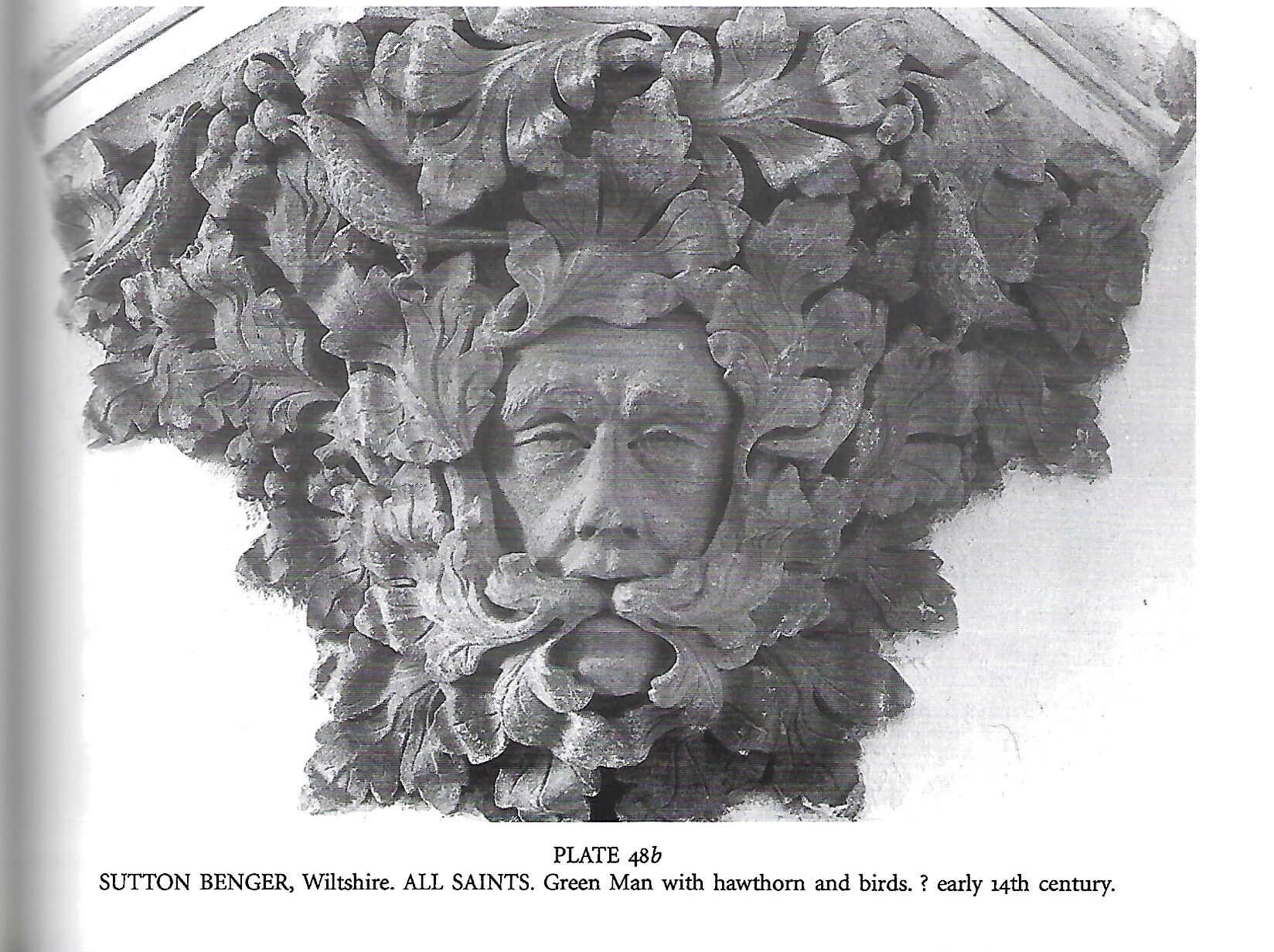
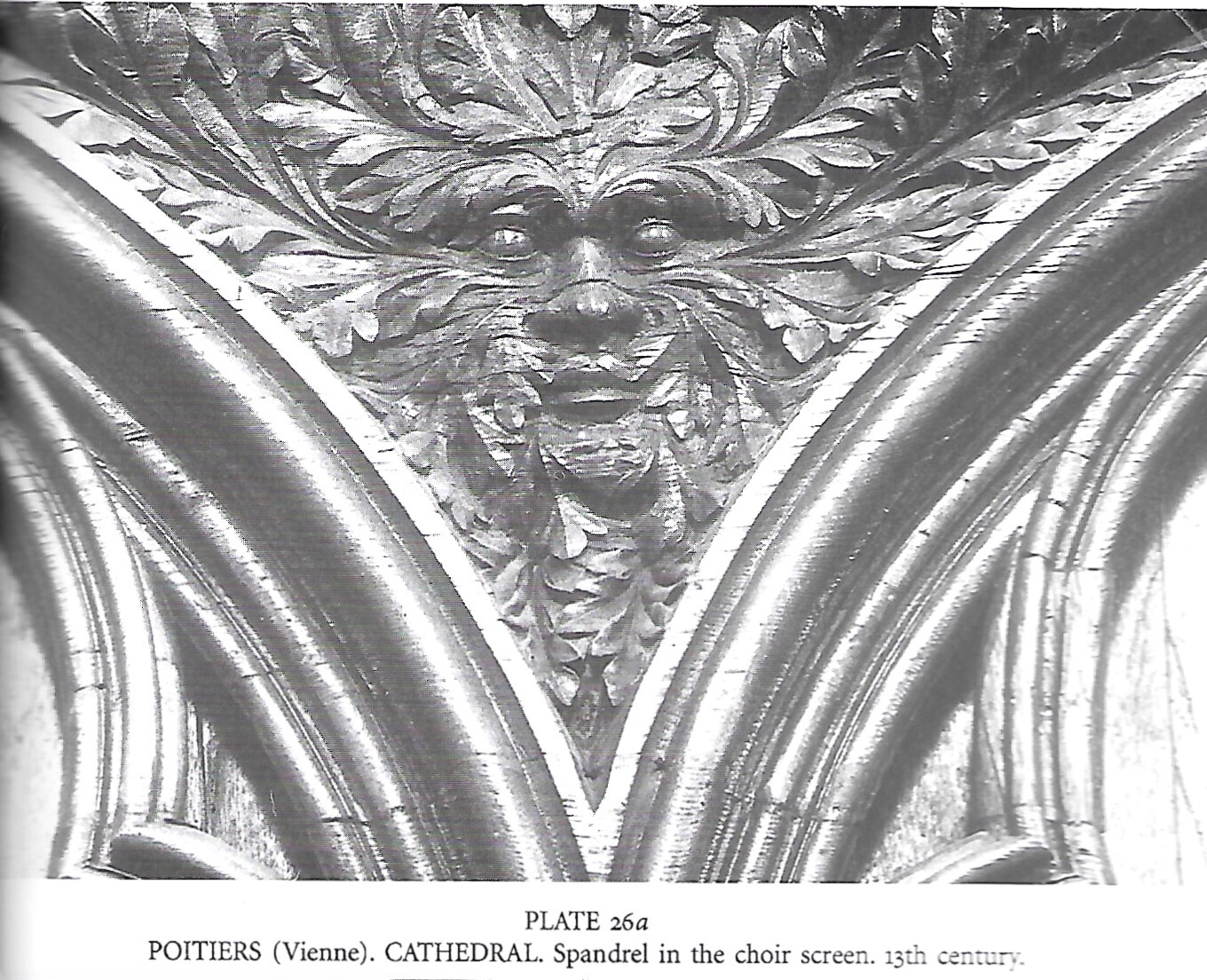
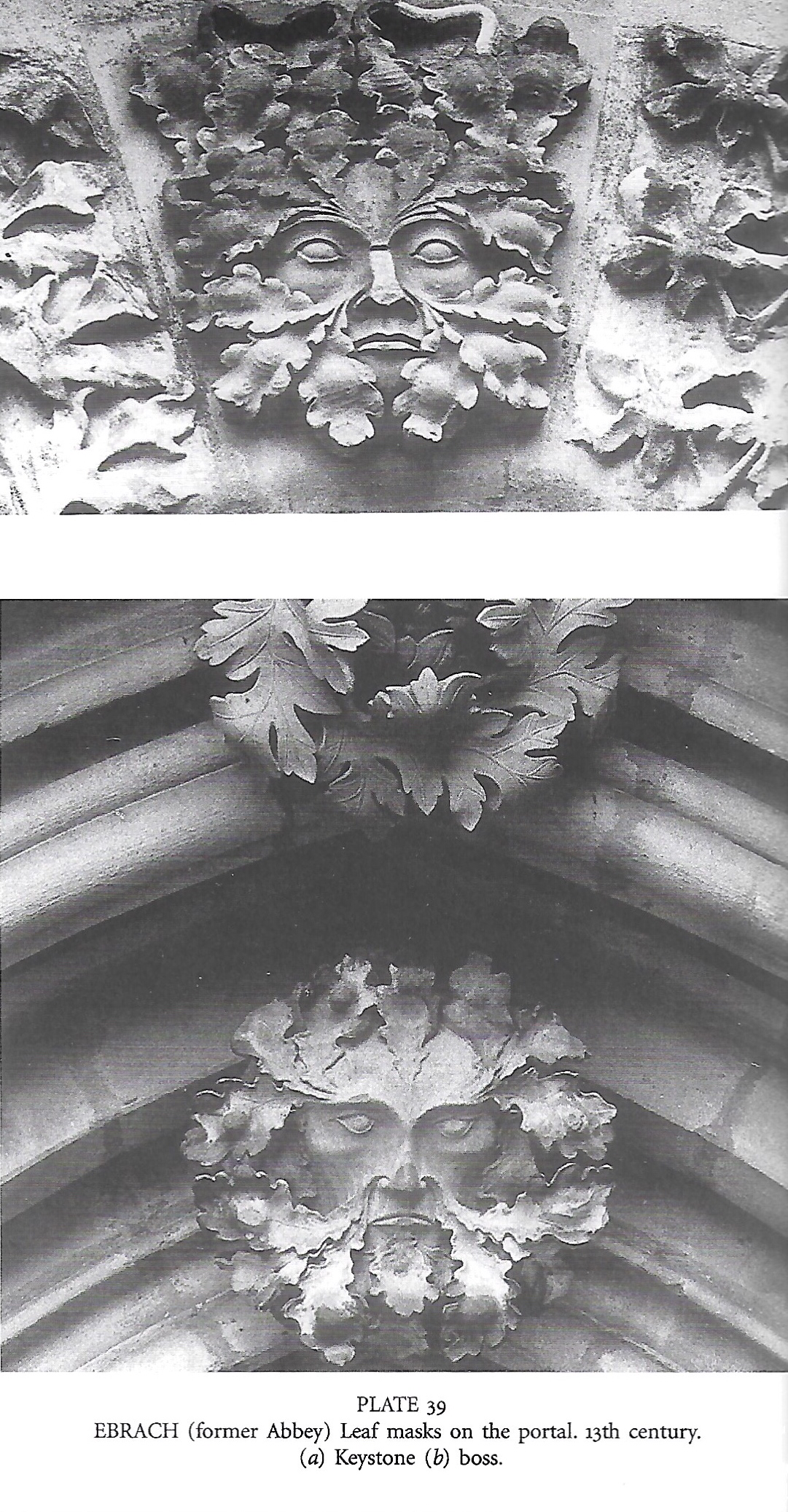
Finished reading The Green Man by Kathleen Basford. Actually, there isn’t a lot of text—mostly great pictures of Green Man and related architectural decoration. These are a few of my favorites.
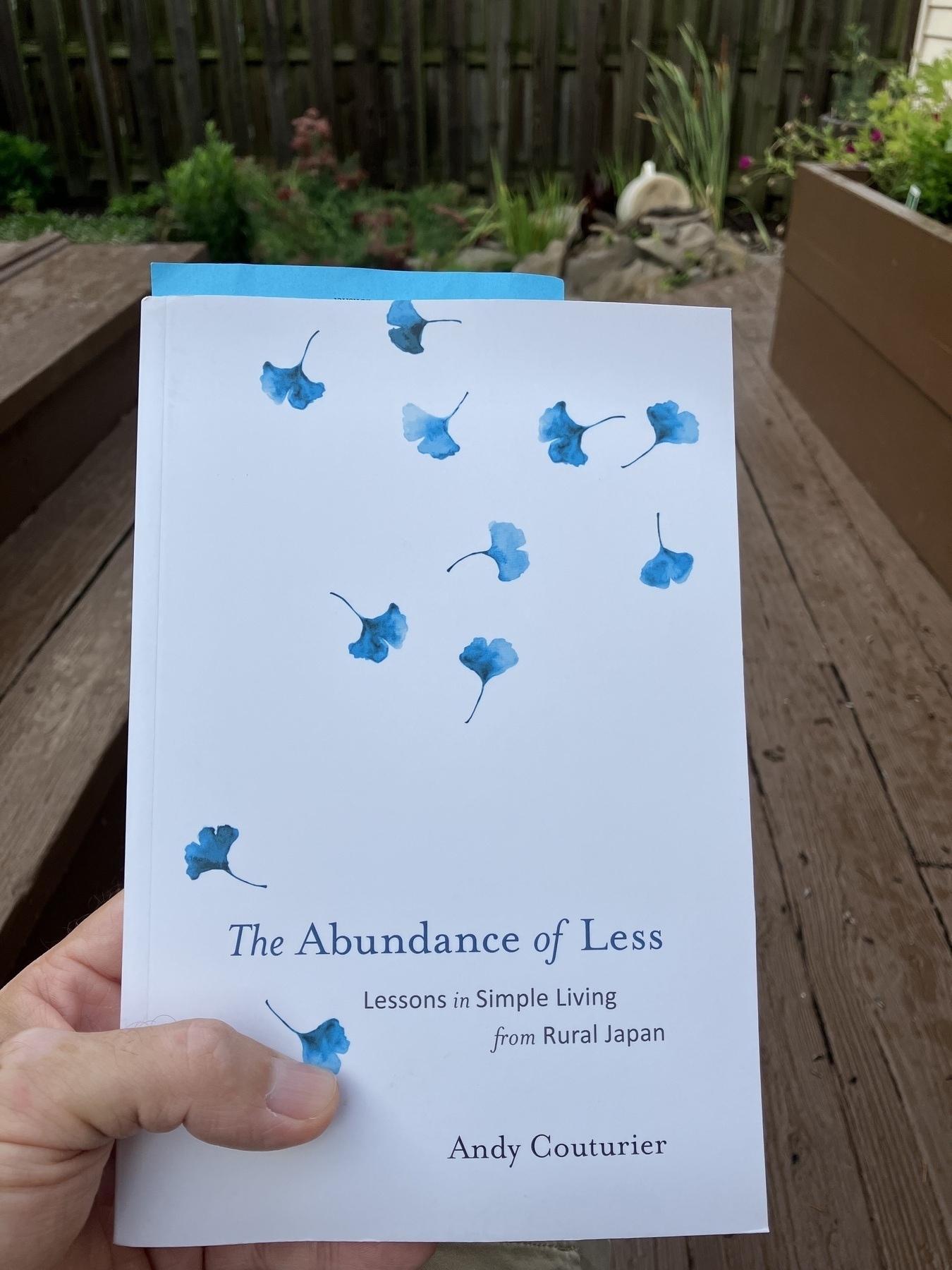
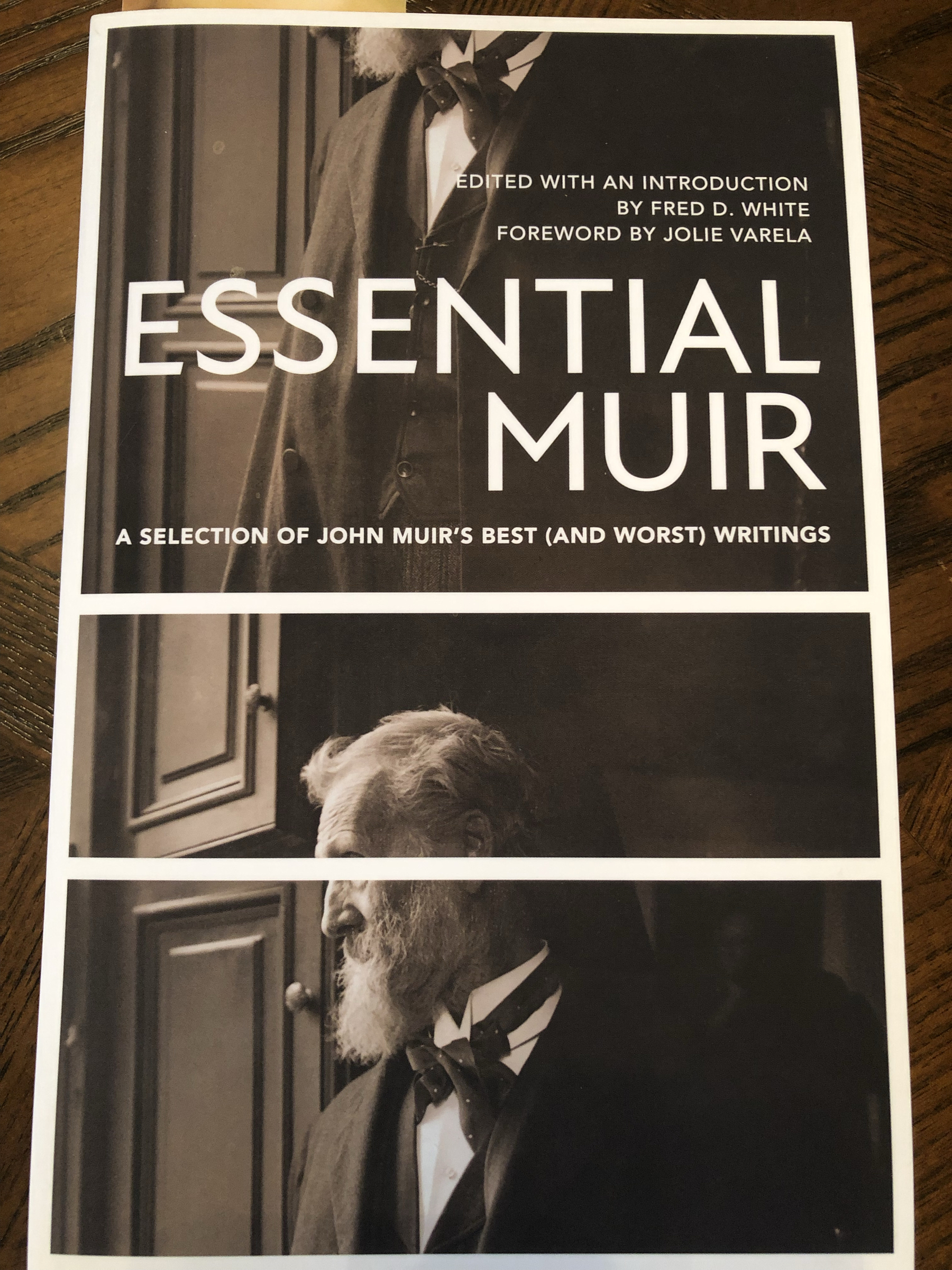
If all goes as planned, I am three days away from visiting Muir Woods, so I’m reading this in earnest. Very good so far.

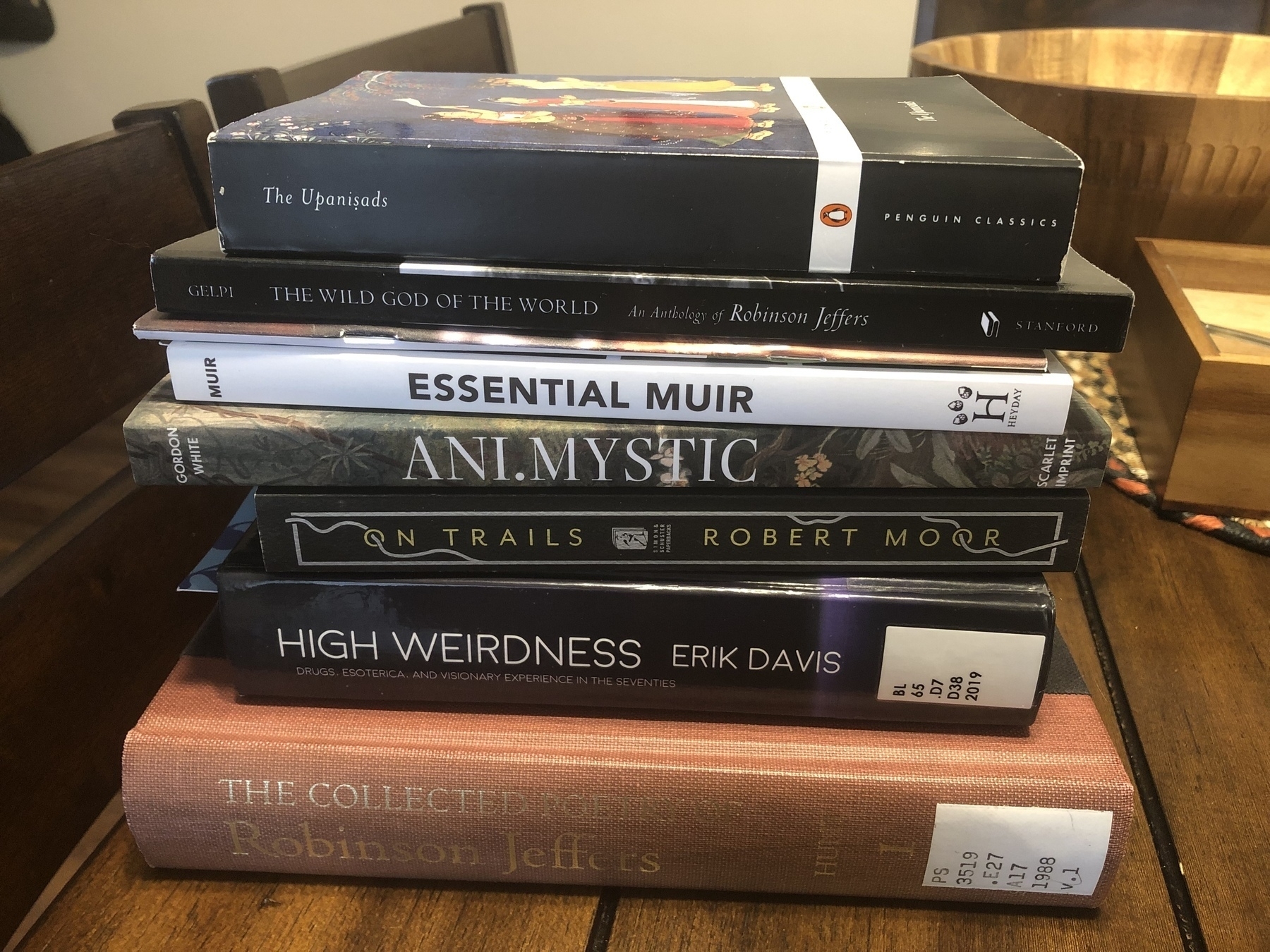
Thanks to Austin Kleon for telling us there was a word for this: tsundoku. I work at my kitchen table, so here is the pile that sits just behind my work laptop.


Last night I was walking through Donaldson Woods, one of the few remaining stands of old-growth forest remaining in Indiana, and thought to myself, “What’s new with pantheism?”

So once I regained cell phone reception, I found this book by Mary Jane Rubenstein. Also, this video of her is well worth a few minutes of your time: “Why We Need Pantheism”.


If the ability to tell right from wrong should turn out to have anything to do with the ability to think, then we must be able to ‘demand’ its exercise from every sane person, no matter how erudite or ignorant, intelligent or stupid, he may happen to be.

Hannah Arendt, as quoted by Samantha Rose Hill in her essay “Thinking is Dangerous”. The essay is part of a newly announced project on Hannah Arendt that includes events and a podcast.

I recommend Samantha Rose Hill’s Substack.

I also recommend Richard J. Bernstein’s book Why Read Hannah Arendt Now?

Rachel and I recently watched an excellent film about Arendt. (I came across an article challenging its historical accuracy so perhaps don’t wholly rely on it.)

Finally, to round this out, I’m including below some notes I made a few years ago on one of Arendt’s essays.

In “Truth and Politics” (pdf), Hannah Arendt discusses the vulnerability of facts. Facts are contingent; events may have happened otherwise. Unlike mathematical truth, facts are not axiomatic. If facts are suppressed or distorted, they may not be recoverable.

_Facts can be inconvenient: “Facts are beyond agreement and consent. … Unwelcome facts possess an infuriating stubbornness that nothing can move except plain lies.” Given this and the vulnerability of facts, political power is a particular danger. “The chances of factual truth surviving the onslaught of power are very slim indeed”. _

_Facts may be suppressed and forgotten over time, but modern technology makes a 1984-style memory hole difficult. More likely is the strategy of transforming facts into opinions. When the liar cannot make his lie stick, he “does not insist on the gospel truth of his statement but pretends that this is his ‘opinion,’ to which he claims his constitutional right.” _

Another way political power may defeat facts is through the use of “organized lying”. Because facts describe events that could have been otherwise, an equally plausible counter-narrative can be fashioned by political power. “Since the liar is free to fashion his ‘facts’ to fit the profit and pleasure, or even the mere expectations, of his audience, the chances are that he will be more persuasive than the truthteller.”

_The consequence of such widespread substitution of lies for truth is that “the sense by which we take our bearings in the real world - and the category of truth vs. falsehood is among the mental means to this end - is being destroyed. … Consistent lying, metaphorically speaking, pulls the ground from under our feet and provides no other ground on which to stand.” _

Or, as Yeats wrote:

Turning and turning in the widening gyre

The falcon cannot hear the falconer;

Things fall apart; the centre cannot hold


Started reading Four Thousand Weeks by Oliver Burkeman. 📚 Quoting Seneca, Charles Eisenstein, and Marilynne Robinson all in the introduction? He’s singing my song.


Austin Kleon recommends studying something you love in depth - and it just so happens that I’m reading through the collected poetry of Robinson Jeffers. I’m keeping notes in Craft and hope to turn those notes into occasional posts. There are themes running through his work that very much interest me.

I’d also love to do something like this for the albums of Over the Rhine, or blog through the Tao Te Ching. Blogging through books (in the style of blockquote followed by commentary) was very common on the blogs I used to read fifteen years ago. I miss that sort of amateur scholarship.


I received my order from Half Letter Press, which focuses on booklets and independent publishing. Check them out, lots of interesting stuff there.