A couple of changes to my work routine this week:

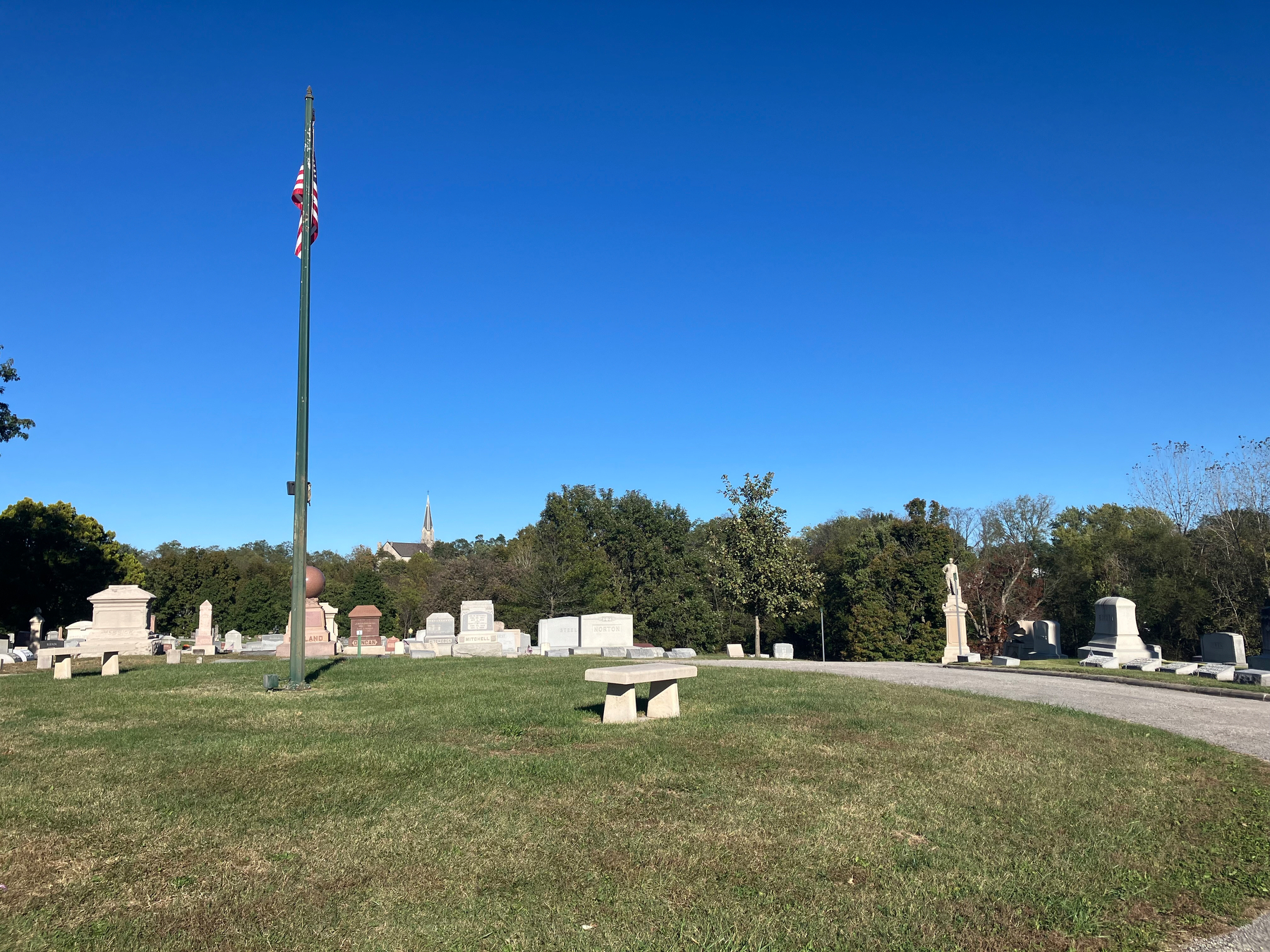
  1. I’ve started walking to work every day. Just short of fifteen minutes one way, so I can get in almost an hour of walking per day.
  2. I start working two days a week from home, beginning Thursday.

I’m very thankful to be in a job that allows for this.


After @ReaderJohn linked this excellent piece by Teddy Macker, I went in search for more. This on Walt Whitman and the problem of American politics is challenging and hopeful. Maybe impossible. As Fox Mulder would say, I want to believe.


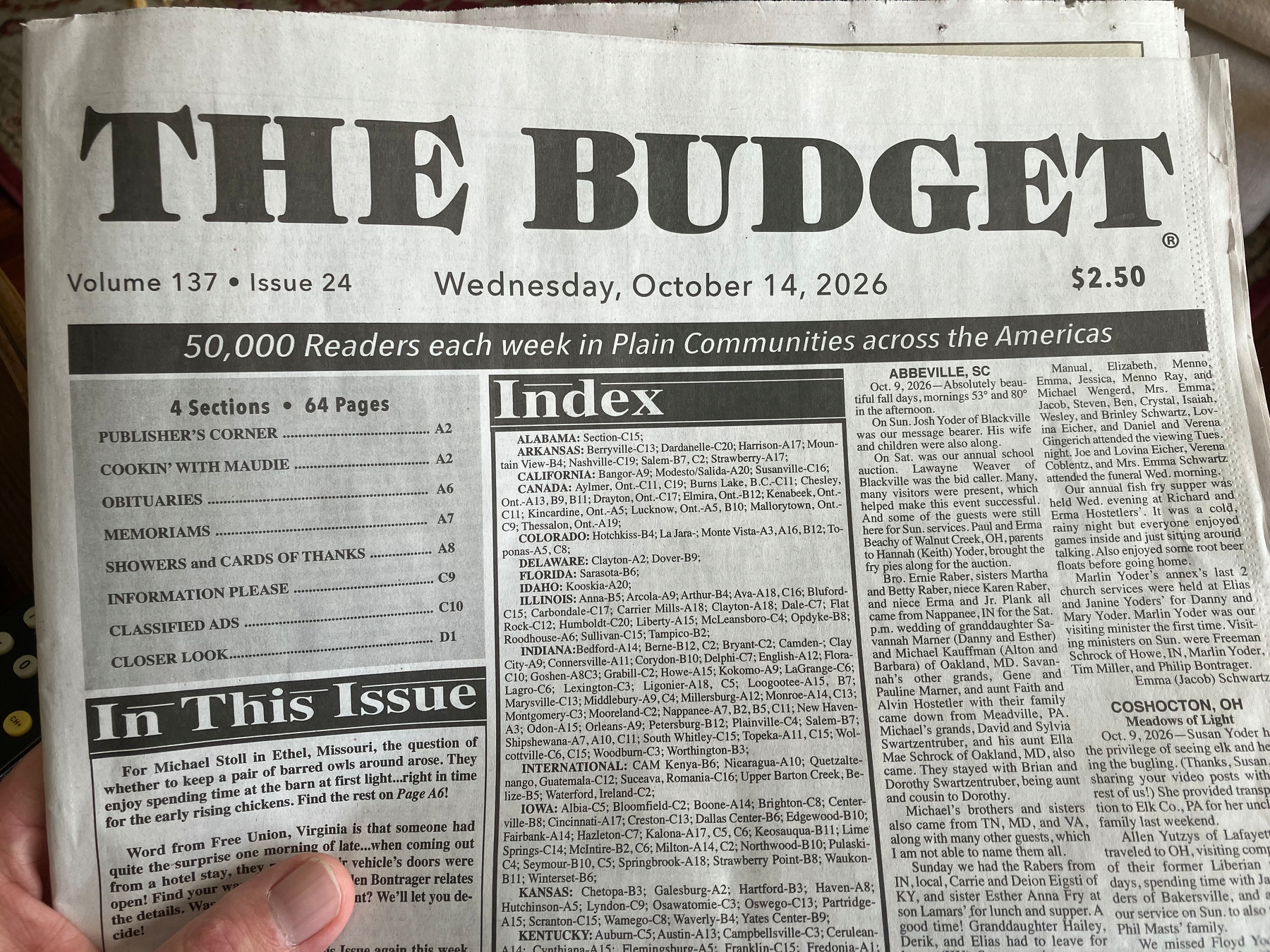
Update on my Anabaptist reading

Currently reading: The Amish Way by Kraybill, Nolt, Weaver-Zercher Finished reading: Against the Wind: Eberhard Arnold and the Bruderhof by Markus Baum. Engaging biography. Will be reading more about the Bruderhof. Becoming Anabaptist by J. Denny Weaver. Focused on the Reformation era. Historical books often lose my interest (my fault, not theirs) but this one did not. Future plans: More by Kraybill The Politics of Jesus by John Howard Yoder.

Continue reading →


On my morning commute (i.e., walking a few blocks to work!), I’ve started listening to Remembering Peasants by Patrick Joyce. I think this is going to be a good one.


I’m honestly a bit surprised how much I’m enjoying this biography of Eberhard Arnold, founder of the Bruderhof. To be fair, it’s a friendly biography. Still, he’s an interesting guy.


This is cool: a device for stirring natural nut butters.


Byung-Chul Han, kicking off Psycho-Politics with a banger:

We are living in a particular phase of history: freedom itself is bringing forth compulsion and constraint. The freedom of Can generates even more coercion than the disciplinarian Should, which issues commandments and prohibitions. Should has a limit. In contrast, Can has none. Thus, the compulsion entailed by Can is unlimited. And so we find ourselves in a paradoxical situation. Technically, freedom means the opposite of coercion and compulsion. Being free means being free from constraint. But now freedom itself, which is supposed to be the opposite of constraint, is producing coercion. Psychic maladies such as depression and burnout express a profound crisis of freedom. They represent pathological signs that freedom is now switching over into manifold forms of compulsion.


Those Winter Sundays by Robert Hayden

Sundays too my father got up early and put his clothes on in the blueblack cold, then with cracked hands that ached from labor in the weekday weather made banked fires blaze. No one ever thanked him. I’d wake and hear the cold splintering, breaking. When the rooms were warm, he’d call, and slowly I would rise and dress, fearing the chronic angers of that house, Speaking indifferently to him,

Continue reading →


Donny quotes William E. Pannell discussing his crisis of conscience after the 1963 Birmingham church bombing. It strikes me that now such young deaths are common—barely newsworthy, and certainly don’t cause any crises of conscience. Doing nothing after Sandy Hook was a turning point for us.


Inspiration: Jack Baumgartner

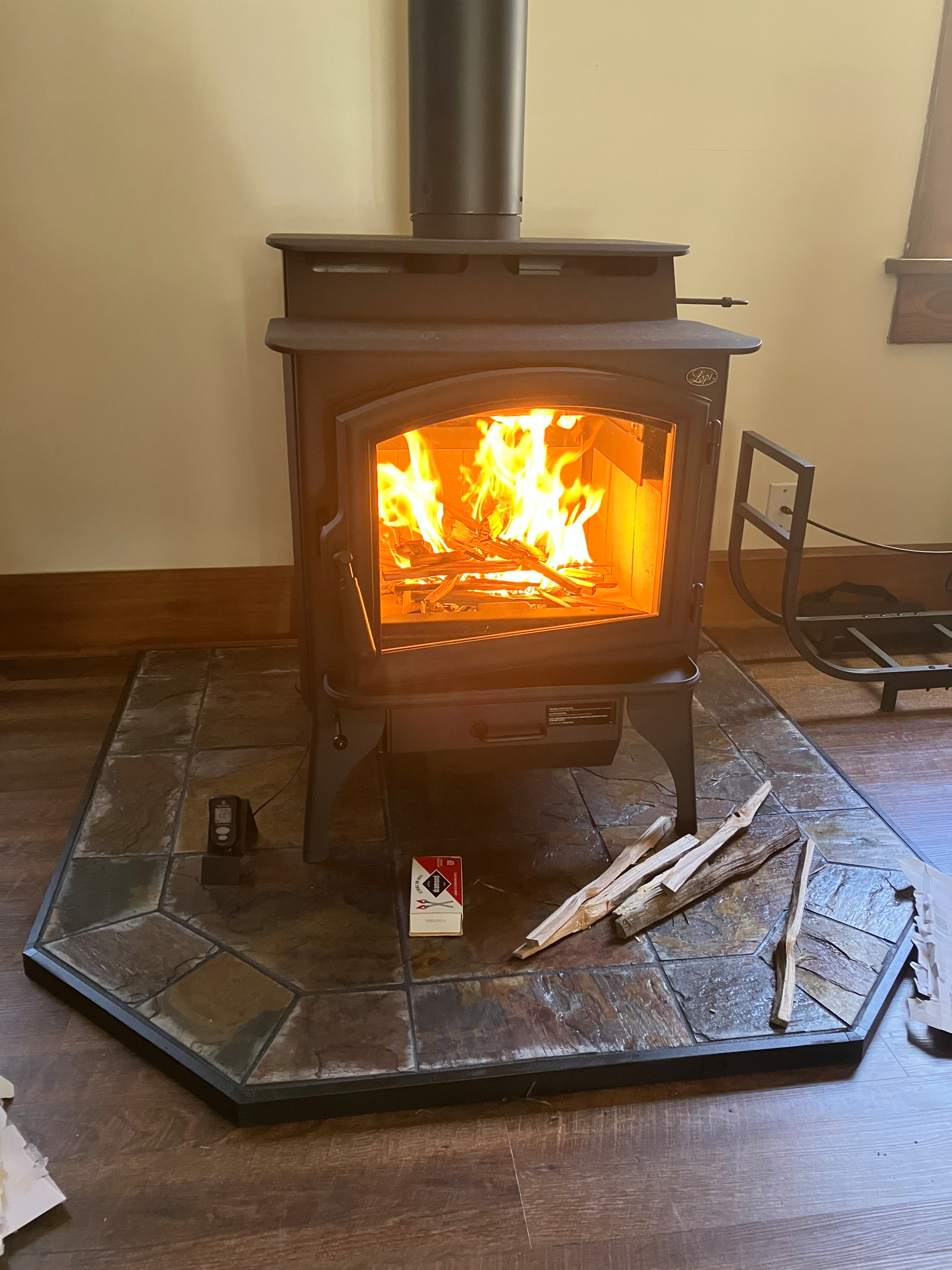
Profile of Jack Baumgartner in Plough: “Downstairs, I start the hot water for coffee. I stir the coals in the wood stove we heat our home with, remove some ashes, and place two mulberry logs on the embers to ignite. This is priestly work and an art near to my heart, maintaining a fire for my family. It is a part of my worship.” “Farming the Universe.” Much the same material as above, but written by Jack himself.

Continue reading →